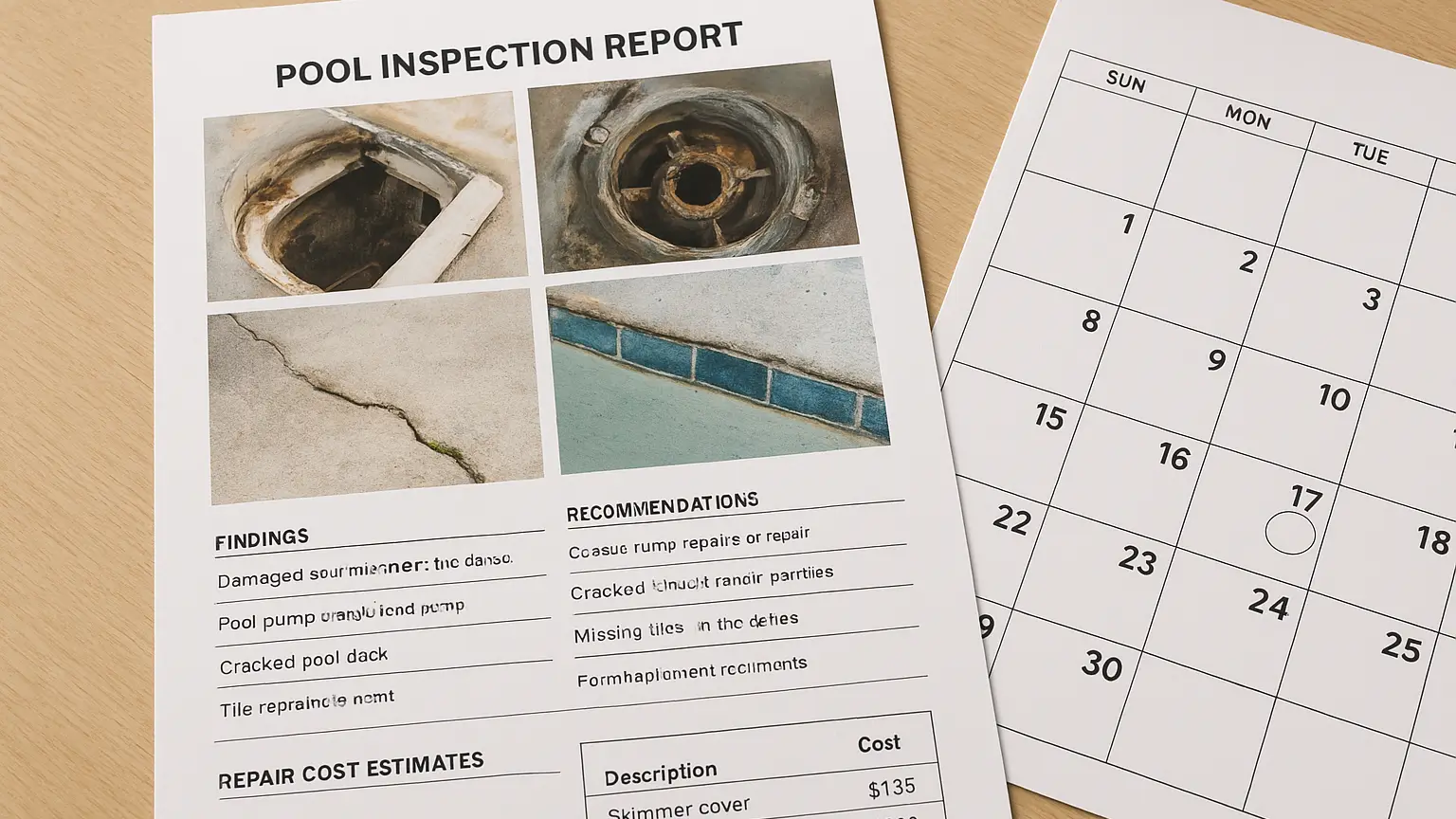
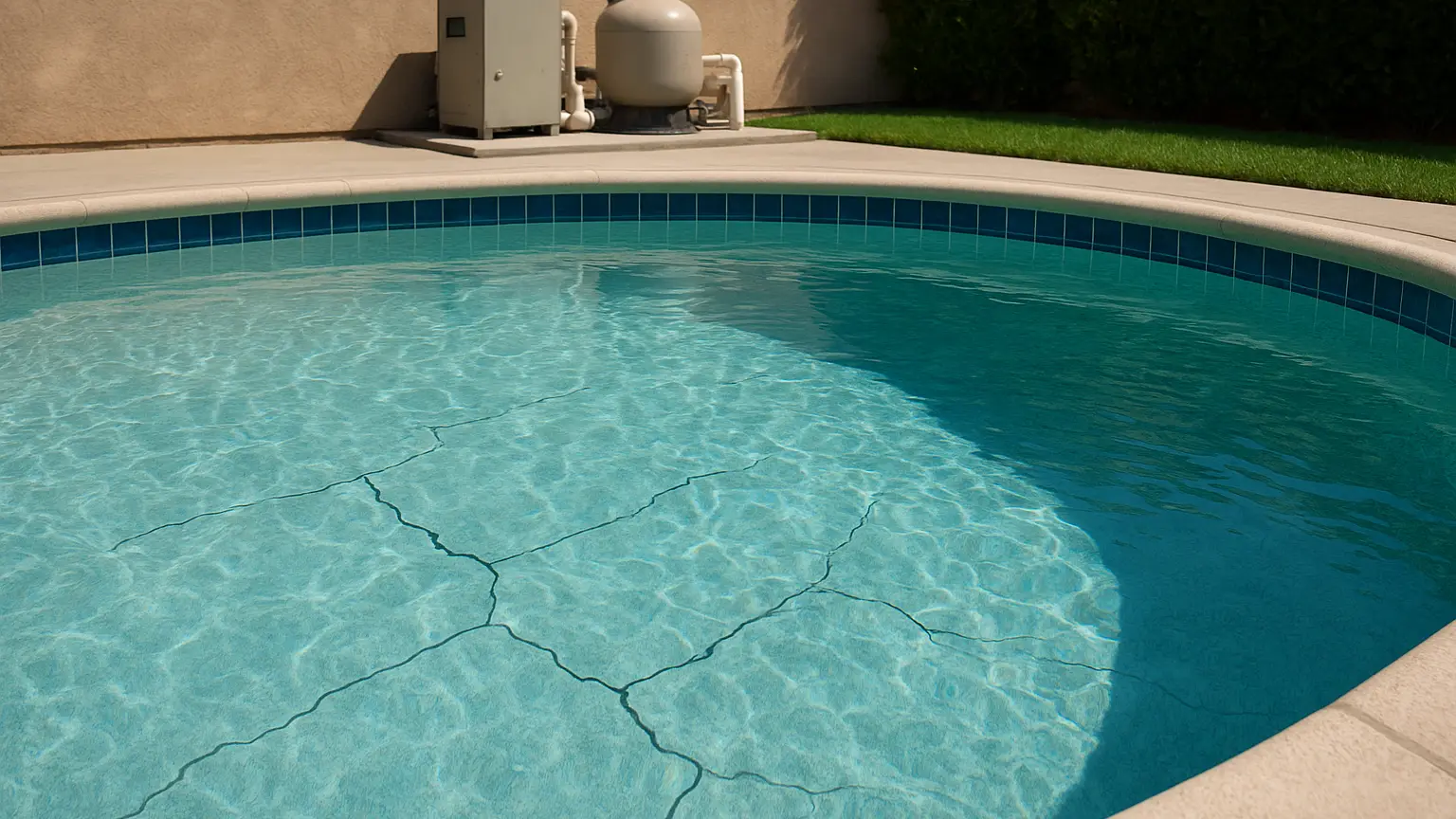
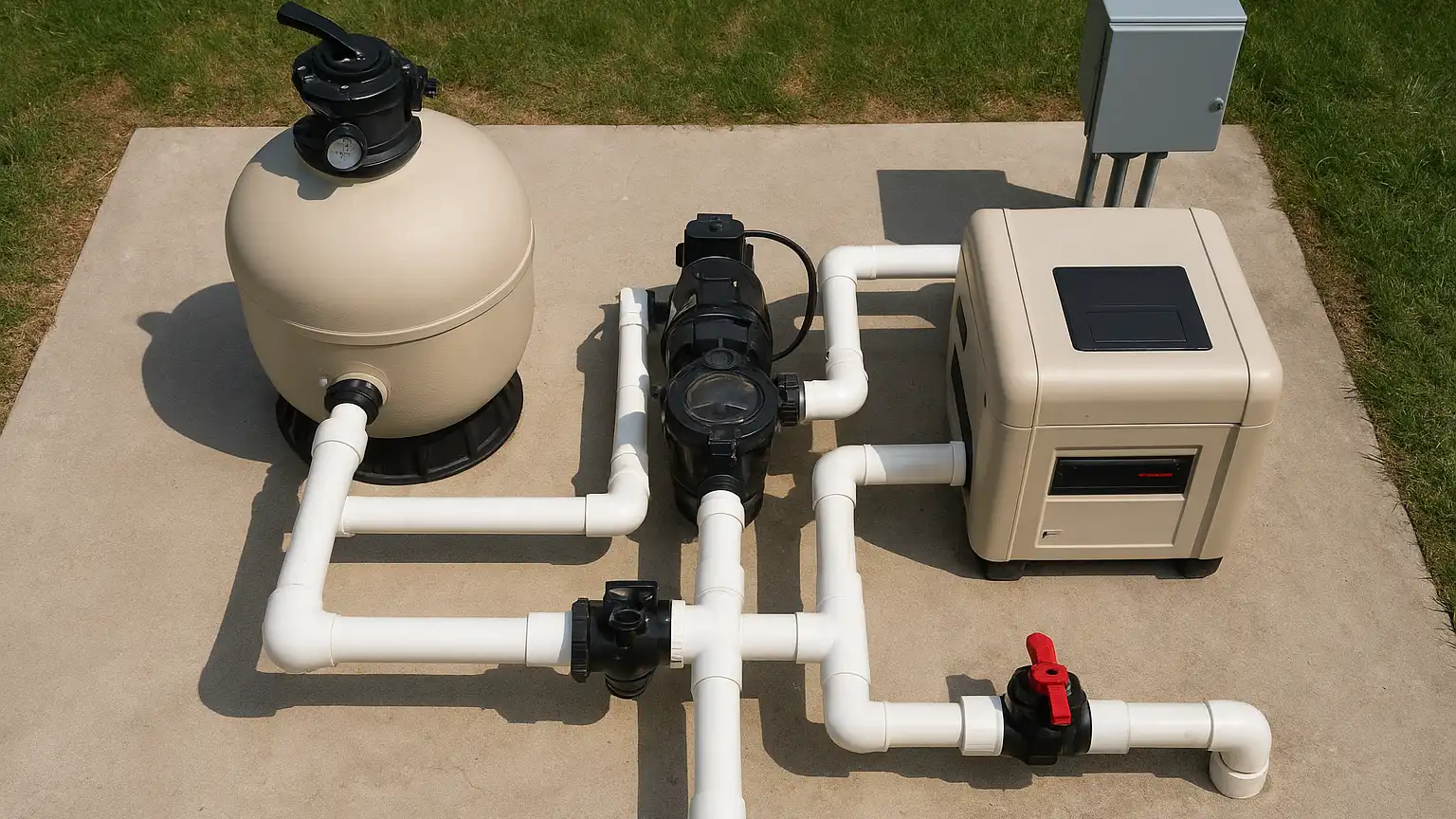
The phrase carries less protection and more obligation than most sellers assume. What it genuinely covers in Arizona, and when it is the smarter play.
 The owner's brief
Two words do more work in a real estate listing than any others, and almost nobody who uses them knows what they actually do. Sellers reach for as is the way you reach for a shield, expecting it to close off inspections, end negotiations and quietly retire the list of things they never got around to fixing. Buyers read it as a warning label and adjust their offer downward before they have set foot inside. Both are working from the wrong definition.
Here is the correct one. As is is a statement about repairs and nothing else. It says you will not fix things and you will not credit for things. It says precisely nothing about what you are allowed to withhold, and in Arizona that distinction has teeth. A seller who treats those two words as permission to stay quiet about a known problem has not protected themselves. They have created a much more expensive problem for later.
Selling as is means the buyer accepts the property in its current condition and you are not obligated to repair anything or reduce the price for defects they find. That is genuinely useful and it is the whole of what it does.
It does not touch your disclosure obligation. Arizona law requires sellers to disclose known material facts that affect the value or desirability of the property and that a buyer could not reasonably discover for themselves. That duty exists independently of any as is language, and courts have not been sympathetic to sellers who tried to use the phrase as cover.
In practice this runs through the Seller's Property Disclosure Statement, the SPDS, which is part of the standard Arizona Association of Realtors purchase contract used in most resale transactions. You fill it in honestly whether the sale is as is or not. Known roof leaks, past flooding, foundation movement, unpermitted additions, prior termite treatment, a failing septic, litigation with the HOA: all of it goes on the form.
The counterintuitive part is that thorough disclosure makes an as is sale easier, not harder. A buyer who is told upfront that the roof is at end of life prices that in and proceeds. A buyer who finds out at inspection feels misled, and starts wondering what else you did not say. One of those transactions closes.
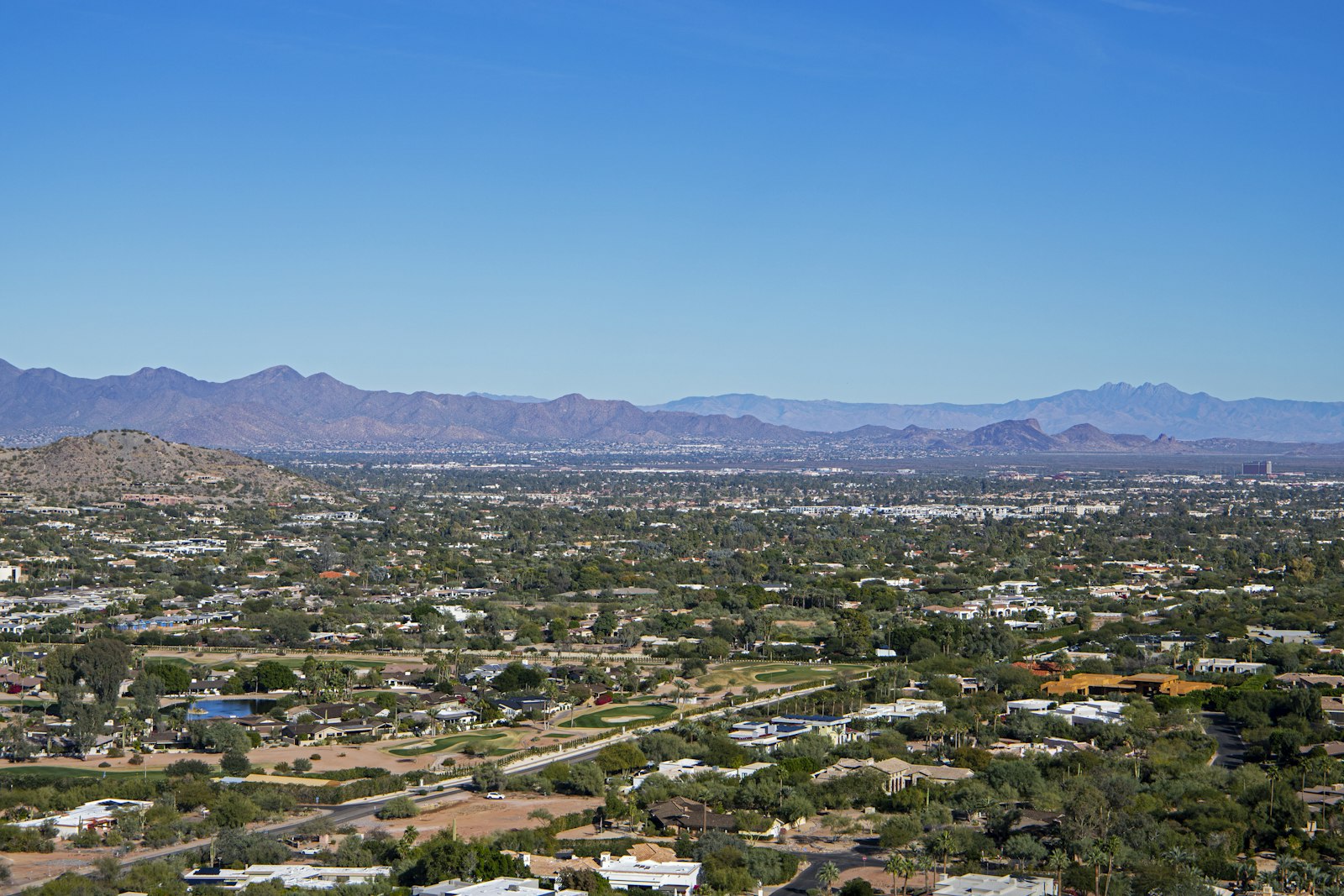
The Valley produces as is sales for reasons that are fairly specific to this market:
This is the part that catches people. Selling as is does not just change the price, it changes who is even able to buy.
FHA and VA financing both require the property to meet minimum standards. Peeling paint on a pre 1978 home, a non functioning HVAC, exposed wiring, a roof with less than a couple of years of life left, missing handrails, broken windows: any of these can stop the loan. That removes a meaningful slice of buyers from your pool in one move.
Conventional financing is more flexible but not unlimited, and an appraiser can still call for repairs before the lender will fund. Which leaves cash buyers and renovation loan buyers as the reliable market for a house with real condition issues, and that is a smaller and more price aware group by definition.
Reading about it is one thing. Seeing a real cash figure for your own address, with the repair math laid out line by line, is usually what settles the decision. Plenty of owners use our number as a floor and then test the open market against it.
Two things sellers routinely expect it to prevent, which it does not.
It does not prevent an inspection. Buyers retain their inspection period under the standard contract, and they will use it. The difference is in what happens next: they can walk away, but they cannot demand you fix what they found. What they can do is renegotiate, and plenty will try, which is why disclosing upfront matters so much. It is hard to reopen a price over something already written on the SPDS.
It does not prevent an appraisal, if there is a lender involved. The appraiser will see the condition and value accordingly, and may flag required repairs regardless of what the contract says between you and the buyer.
Selling as is is not the same as giving up on the price. A few things reliably help:
Even committed to selling as is, a small number of items return more than they cost, and all three are under a few hundred dollars in most cases.
Fix anything that leaks water, even temporarily. Active water is the single thing that most alarms buyers and inspectors, because it implies ongoing damage nobody can measure. A visible drip under a sink turns a manageable list into a suspicious one.
Get the mechanical rooms and electrical panel accessible and tidy. An inspector who cannot reach something writes that they could not inspect it, and unable to inspect reads to a buyer exactly like a problem.
Deal with anything that smells. Odour is the one defect that cannot be priced rationally, because it triggers a reaction rather than a calculation. Pet, smoke and damp smells cost sellers far more in offer reductions than remediation would have cost.
If the repair list exceeds what you can fund, the answer is straightforward. You cannot borrow against a house to fix it in order to sell it, and a half finished renovation shows worse than an untouched one.
It is also right when the timeline is fixed by something outside your control, when the house is occupied by tenants who will not accommodate showings, when it is an estate and the family is spread across several states, or when you simply do not want strangers walking through your home on weekends. Our comparison of a cash offer against listing with an agent works through what each route nets on the same property, which is the calculation that usually settles it.
The sellers who do well with an as is sale are the ones who stop treating the condition as something to be managed and start treating it as information. A house with a fifteen year old roof and a tired kitchen is not a problem to be concealed behind two words in a listing. It is a specific property with a specific value, and the buyers who want that property are perfectly capable of doing the arithmetic themselves. What they will not forgive is being surprised.
So disclose everything, price it against reality rather than against the updated house down the street, and go to the buyers who are actually equipped for the work. That is what we do across the Valley, in Mesa, Chandler, Tempe and the rest of the Phoenix area: we buy houses in their current condition, with the roof and the pool and the thirty year old cabinets exactly as they are, and we say what we will pay without asking you to fix a thing first. If you want to know what your house is worth in the state it is in today, tell us about it and we will give you a number.
Kim's Properties has bought homes across Phoenix, Scottsdale, Mesa and the rest of the Valley for more than a decade. Call the office on 24th Street or send a few details online, and you will hear back from our team, not a call center.