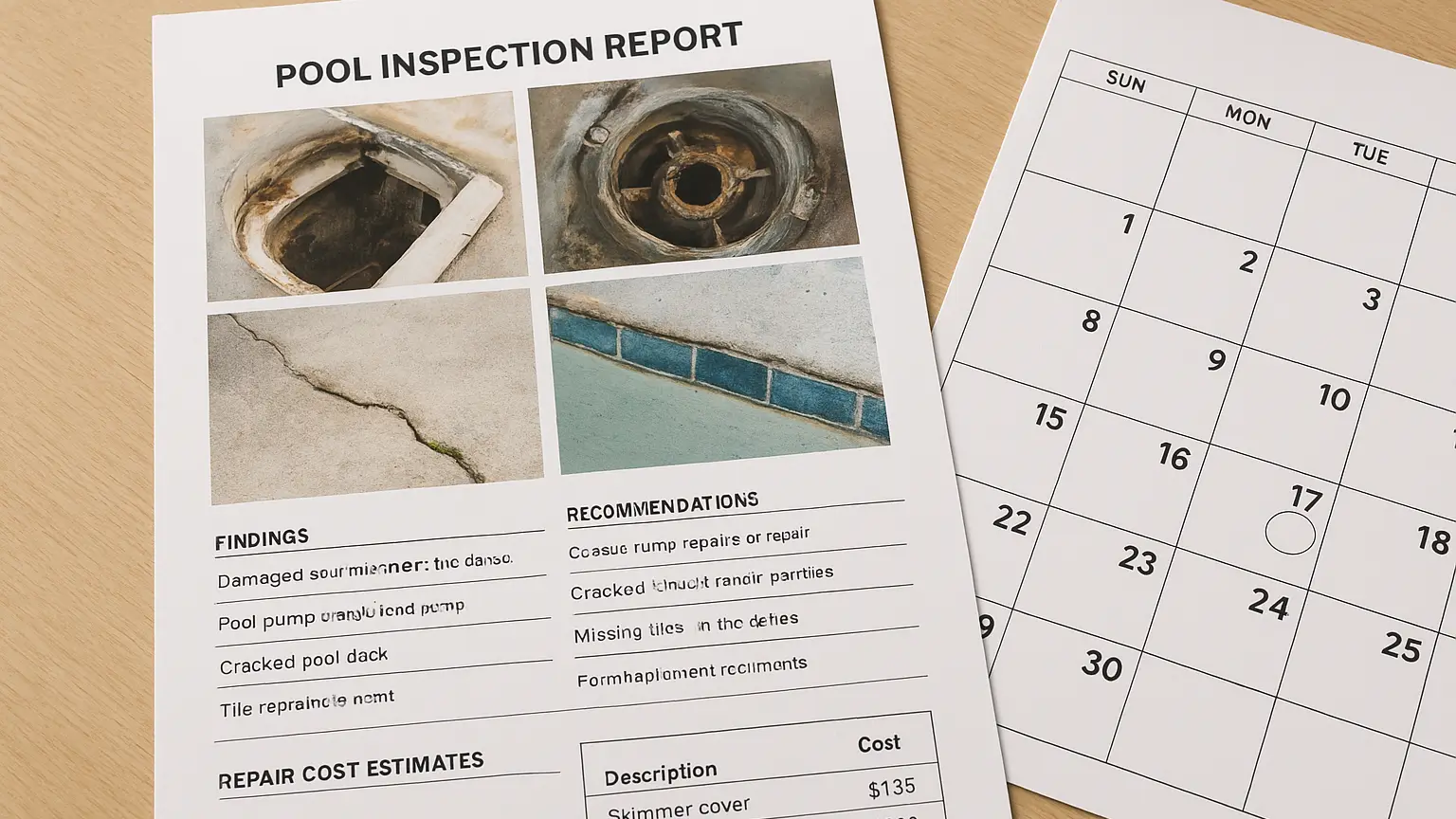
Two Phoenix sellers, the same house, two different routes. What each one actually banks once costs, repairs and four months of carrying the place come out.
 The owner's brief
The first cash offer somebody receives on their house almost always produces the same reaction, and it is not a happy one. The number is below what the neighbour got last spring, below what the portal estimate says, and below what the owner had already spent in their head. Most people stop reading right there. A smaller group does something more useful, which is to ask what the other number would actually have cost them to reach.
That is the whole thing, really. A listing price is not money. It is the top of a stack, and by the time the stack has been worked through there is a good deal less at the bottom than anybody expected. A cash offer is a net figure wearing a gross figure's clothing. Comparing the two directly is like comparing a salary to a take home pay slip and concluding you have been robbed.
Set two columns side by side. In one, the listing price. In the other, the cash offer. Almost nobody fills in the rows underneath, and the rows underneath are where the decision lives.
A fair comparison asks a single question: on the day this is over, how much money is in my account, and what date is it? Everything else is noise. Once you frame it that way, the two routes stop looking like a good deal and a bad deal, and start looking like two different products sold to two different kinds of seller.
Take a Phoenix home that would list at four hundred thousand in decent shape. It is not in decent shape. It needs paint inside and out, the flooring is past it, the roof has some soft spots and the yard has been left to the summer.
The listed route starts with spending. Say you put in a reasonable amount to get it presentable, which for that list of items is not a small figure and will not be recovered dollar for dollar. Then commission and closing costs come off the sale price. Then you carry the house through however long it takes, which in a market that is not moving quickly is rarely the four weeks people plan for. Then the inspection produces a credit request. Then, if the buyer is financing, the appraisal has an opinion.
The cash route starts differently. The offer is lower on its face. But there are no repairs, no commission, no staging, no showings, no inspection negotiation, no appraisal, no financing contingency, and the carrying period is measured in days rather than months. The number you are quoted is close to the number you receive.
Run those two honestly on the same house and the gap narrows a great deal. On homes needing significant work it can close entirely, and occasionally it inverts, which is not intuitive until you have watched a repair budget double. If you want the pricing mechanics in more detail, our piece on setting a listing price covers why condition discounts run larger than repair costs.

Reading about it is one thing. Seeing a real cash figure for your own address, with the repair math laid out line by line, is usually what settles the decision. Plenty of owners use our number as a floor and then test the open market against it.
It is worth being straightforward about this, because the industry generally is not. A cash buyer offers below retail because they are absorbing things you would otherwise absorb: the repairs, the holding period, the risk that something expensive is hiding behind a wall, and the cost of their own capital. That discount is the price of certainty and speed. It is a real service with a real cost, not a trick.
Which also means you should know when you are paying for something you do not need. If your house is in good condition, in a desirable area, and you have four months and no particular pressure, you are buying certainty you already have. List it. Any cash buyer who tells you otherwise is not being straight with you.
A good agent earns their fee on a house that shows well. Competitive bidding is a real phenomenon and it happens on the open market, not in a private sale. If your home is updated, well located and photographs beautifully, exposure to the full buyer pool is worth more than anything a direct sale can offer, and the commission is a reasonable price for access to it.
Time is the requirement. You need enough runway to prepare it properly, wait out the marketing period, survive an inspection negotiation and close on a financed buyer's schedule. If you have that, use it.
Not all of them operate the same way, and a few of the practices in this business deserve scrutiny. Before you sign anything, ask these:
A buyer who answers all six without hesitating is one worth continuing with. Hesitation on any of them tells you what you need to know.
There is no universally better route here, which is inconvenient for anyone hoping to be told what to do. There is only a question about what you are short of. If you are short of time, or cash, or the tolerance for a four month process with an uncertain ending, a direct sale is built precisely for that and the discount is what it costs. If you are short of nothing except patience, the open market will almost certainly pay you more and you should take it.
The move that actually loses money is refusing to run the numbers at all. Getting a cash offer costs nothing and commits you to nothing, and it gives you a real floor to measure every other option against. We buy houses throughout the Valley, from Scottsdale to Gilbert, in whatever condition they are in. Ask us for a figure, put it next to your listed scenario with every row filled in, and then decide with something better than a feeling.
Kim's Properties has bought homes across Phoenix, Scottsdale, Mesa and the rest of the Valley for more than a decade. Call the office on 24th Street or send a few details online, and you will hear back from our team, not a call center.