Why the pool often gets a passing glance and how buyers protect themselves before the deadline.
 The owner's brief
You found the house. The kitchen works, the roof passed, and the backyard has that blue water you pictured all summer. Your inspection report came back, and the pool section is three lines long. That short entry is where many buyers lose real money, and they don't find out until the first repair bill shows up months after closing.
This series was shaped by insights from H2O Pool Services, a team that works on residential pools every day and sees what new owners inherit. Their field experience helped us map the places buyers tend to miss, from tired pumps to slow leaks to plaster that is close to the end of its life.
Here is the path this four-part guide follows. First, you will see why a general inspection rarely covers a pool in depth. Next, you will learn to read the equipment pad in about five minutes. After that, you will spot leaks and cracks at a showing. Last, you will turn what you found into repair requests or credits while you still have leverage.
Does a home inspection cover the pool? Usually only on the surface. Most general inspectors look at what they can see, run the pump if it turns on, and note obvious damage. They often do not pressure test lines, check for leaks, judge the heater in detail, or estimate how long the equipment will last. If the pool matters to you, you need a separate look before your inspection period ends.
In Arizona, the standard purchase contract often gives buyers a short inspection window, commonly around 10 days. That is not much time to book a pool specialist, get a report, and decide what to ask for. The clock is the real reason to act now.
This is not about lazy inspectors. A general home inspector is trained to cover a whole house in a few hours. Roof, electrical, plumbing, HVAC, foundation, attic, and appliances all compete for that time. A pool is its own system with its own pumps, valves, chemistry, and structure. Many inspector standards of practice treat pools as outside the core scope, or as an add-on with limits.
So the inspector does what the job allows. They walk the deck, look at the water, flip the pump on, and write down anything that is plainly broken. If the pump hums and the water looks clear, the report may say "functional at time of inspection." That phrase sounds reassuring. It only means the system ran that day.
Here are the items buyers most often find missing from a general inspection:
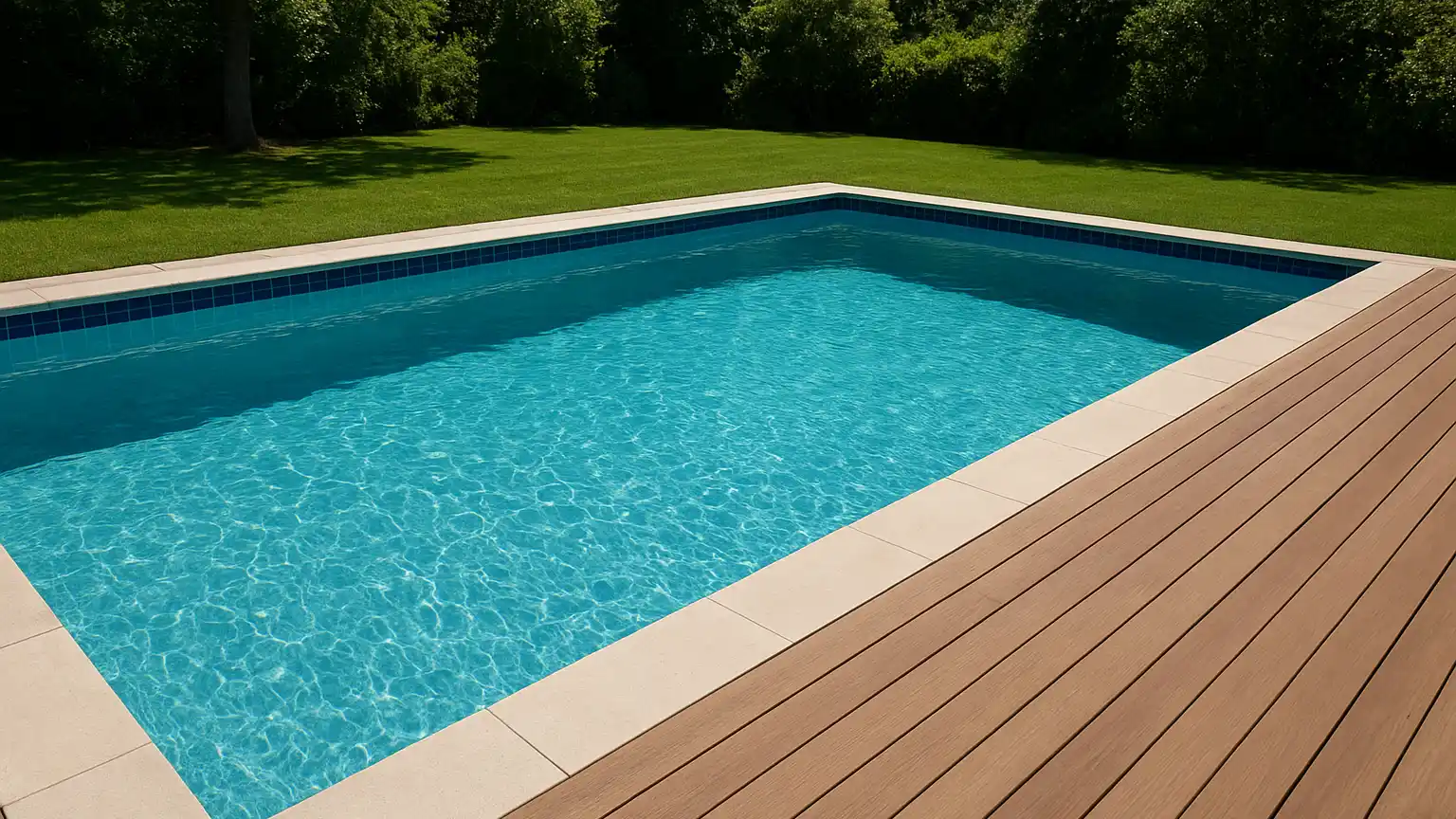
Sellers often clean the pool before showings. Fresh chemicals, a brushed floor, and clear water can make a tired pool look great. Clear water tells you the chemistry was handled last week. It says nothing about the pump bearings, the filter grids, or a crack under the waterline.
"Most buyers walk right past the equipment pad on the way to admire the water," says Marcus Delgado, service manager at H2O Pool Service. "The water is the easy part to fake for a showing. The equipment and the shell are where the honest story lives."
This matters even more when the seller has listed the home without plans to fix anything and may have already factored known flaws into setting the listing price. If you are buying a home where the seller is selling as is in Phoenix, you can still inspect, but the burden of finding problems sits squarely on you.
Reading about it is one thing. Seeing a real cash figure for your own address, with the repair math laid out line by line, is usually what settles the decision. Plenty of owners use our number as a floor and then test the open market against it.
Once you close, every pool problem becomes your problem. There is no seller to ask, no credit to request, and no contract clause to lean on. A pump that fails in July is a repair you pay for in full. A slow leak found in your first winter is a bill you didn't plan for.
Pool repairs also tend to arrive in clusters. An old pump often sits next to an old filter and a heater of the same age, because they were all installed when the pool was built or last updated. When one part goes, the others may not be far behind. Owners who skip the check can face several replacements in the same year.
Think of your inspection window in three stages. Each one has a job.
Schedule a pool specialist right away, since good ones book up. While you wait, take photos of the equipment pad, the pool surface, and the waterline during any visit you have.
Get the pool report back and compare it to the general inspection. Write down equipment ages, any leaks, surface issues, and safety concerns. Ask the specialist which items need action now and which can wait.
Work with your agent to turn the findings into a repair request, a credit, or a decision to walk away. Do this before the deadline. A request sent one day late carries no weight.
Not every pool check is the same. Before you book, ask a few direct questions:
The team at H2O Pool Services points out that the most useful reports tie each finding to a likely next step. A note that says "filter worn" is far less helpful than one that says "filter grids near end of life, plan for replacement within a season."
In the Phoenix area, a pool is often the centerpiece of the yard and a big part of why you chose the house. Buyers who care about outdoor living, the kind of thinking behind a small yard, big payoff approach, should treat the pool like any major system. It affects your monthly costs, your safety, and your future resale value.
You do not need to become a pool expert. You just need to know where the gaps are and fill them in time. The fastest place to start is the equipment pad, and the next part of this series shows you how to check it in about five minutes and spot aging pumps and heaters before you even make an offer. From there, you will learn to find hidden leaks and cracks at a showing and then use everything you found when you negotiate repairs or credits.
A general home inspection is built to cover the whole house, so the pool usually gets a short look. Inspectors confirm what runs and what is plainly broken, but they often skip equipment age, leak testing, heater checks, surface wear, and safety details. Clear water at a showing can hide a worn pump, a failing filter, or a crack below the waterline, and once you close, every one of those repairs is yours to pay for.
The fix is simple but time-sensitive. Book a pool specialist early in your inspection period, gather written findings, and work with your agent to act before the deadline passes. Treat the pool like the major system it is, and you walk into ownership knowing exactly what you bought instead of finding out the hard way next summer.
Kim's Properties has bought homes across Phoenix, Scottsdale, Mesa and the rest of the Valley for more than a decade. Call the office on 24th Street or send a few details online, and you will hear back from our team, not a call center.


