Most cramped yards are cramped because somebody tried to fit four ideas into a space built for one. Here is the reordering that fixes it, and what it does to your asking price.
 The owner's brief
A small yard is the only part of a house that people apologize for before the buyer has even stepped outside. Sellers do it constantly. They slide open the back door, wave a hand at forty feet of gravel and one struggling citrus tree, and say some version of "it is not much." Then they stand there while somebody forms an opinion that has almost nothing to do with square footage and almost everything to do with the fact that nobody ever gave the space a job.
That is the actual problem with most compact yards around the Valley. They are not too small. They are undecided. A grill sits in one corner because that is where the last owner left it. A rusted fire pit takes the middle. Three different ground surfaces meet along a line nobody drew on purpose. The whole thing reads as leftover space rather than an outdoor room, and leftover space always feels smaller than it measures. Sort out the decision and the size tends to sort itself out with it.
Walk out there and finish this sentence out loud: this yard is mainly for ______. Dinner with four people. Morning coffee and shade. The dog. The kids until they outgrow it. One answer. Not three.
The reason this matters is arithmetic. Every function you add needs its own circulation space around it, and circulation space is the thing that eats small yards alive. A dining table needs about three feet of chair clearance on every side. A fire pit needs seating radius. A play structure needs a fall zone. Put all three in a twenty by thirty yard and you have not built three zones, you have built a hallway with obstacles.
Pick the primary use, build it properly, and let everything else be portable. A folding bistro set can appear when you want it and disappear when you do not. A permanent built in bench cannot. In a small yard, anything bolted down had better be earning its footprint every single day.
Two yards of identical size can feel a full third apart. The difference is almost never the measurement. It is what your eye does when it lands out there.
A yard feels bigger when the eye travels without stopping. It feels smaller when the eye hits interruptions: a change of material, a low wall, a planter in the middle of the sightline, a fence painted a colour that jumps forward. Landscape designers have leaned on this for a century. You are not adding space. You are removing the visual speed bumps that tell the brain the space has ended.
This is also why the single most effective small yard move costs almost nothing. Paint the back fence a dark, receding colour. Charcoal, deep olive, something close to black. A pale fence advertises exactly where your lot line is. A dark one dissolves, and the plants in front of it suddenly read as depth instead of decoration.
These are the ones worth doing, in roughly this order:

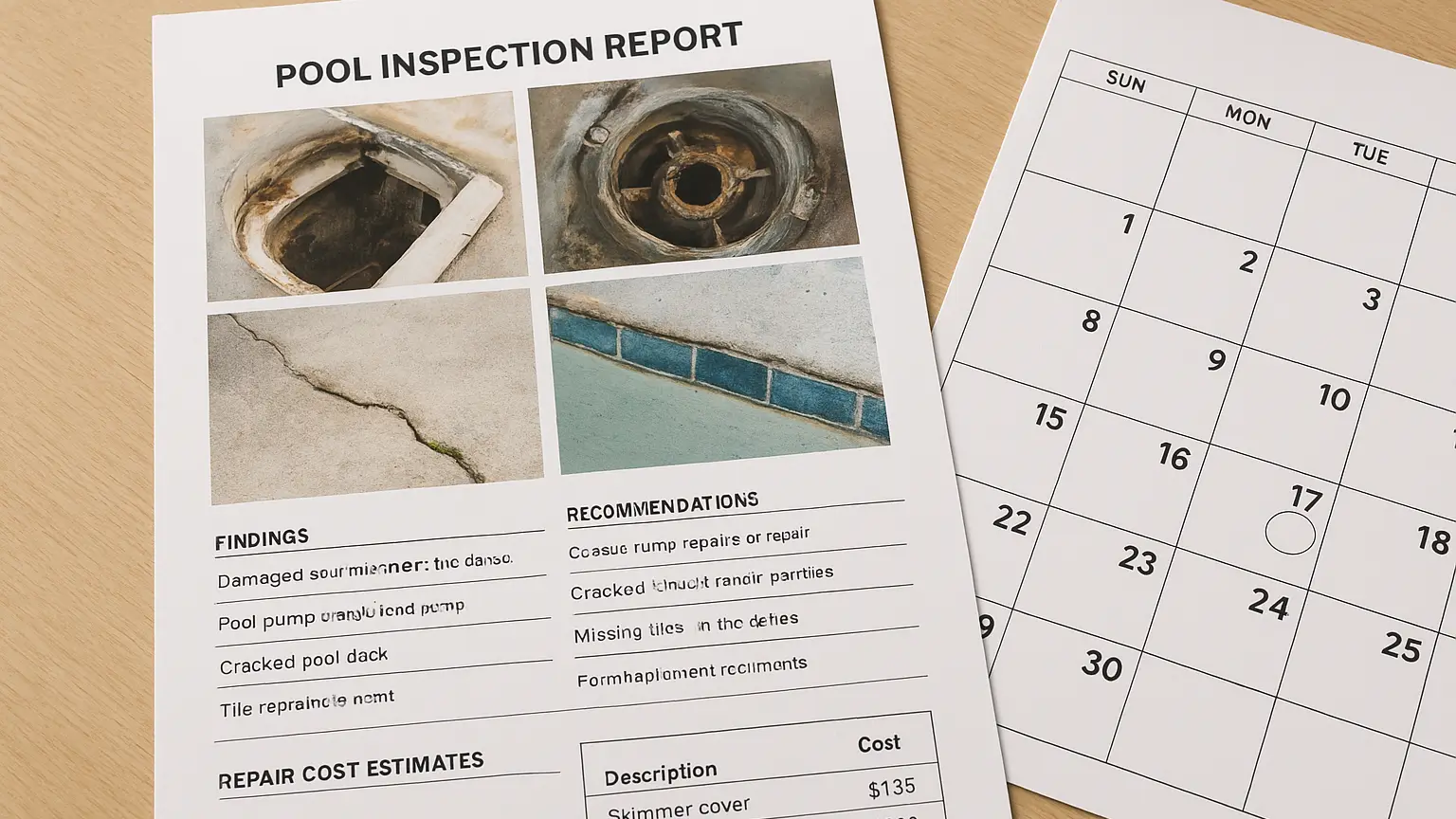
Reading about it is one thing. Seeing a real cash figure for your own address, with the repair math laid out line by line, is usually what settles the decision. Plenty of owners use our number as a floor and then test the open market against it.
Phoenix hands small yard owners an advantage that people in wetter climates would pay for. Desert plants have architecture. A single mature agave has more presence than a whole bed of annuals, and it will still be doing the job in August when nothing else wants to be alive.
Lean into structure over volume. Three well placed specimens with real form, an agave, a golden barrel, an ocotillo, will carry a small yard through the year without asking for much. Then layer in something soft at knee height so the whole thing does not read as a rock display. Damianita, blackfoot daisy and desert marigold all stay low, flower for a long stretch, and forgive the kind of neglect a hot summer produces.
The one thing worth spending real money on is shade. A yard you cannot stand in from May through September is not a yard, it is a view. A steel pergola, a sail shade, or a well positioned mesquite changes the usable season from four months to nine. Buyers notice this immediately, and around here they notice it before they notice almost anything else.
Having walked through a great many of these, the same handful of mistakes keep showing up:
Not every yard improvement is an investment, and it is worth being honest about which is which. Shade structures, clean hardscape and mature specimen planting tend to hold their value because they solve a problem every Phoenix buyer already understands. Outdoor kitchens, elaborate water features and custom built in seating almost never return what they cost, because they are somebody else's taste poured into concrete.
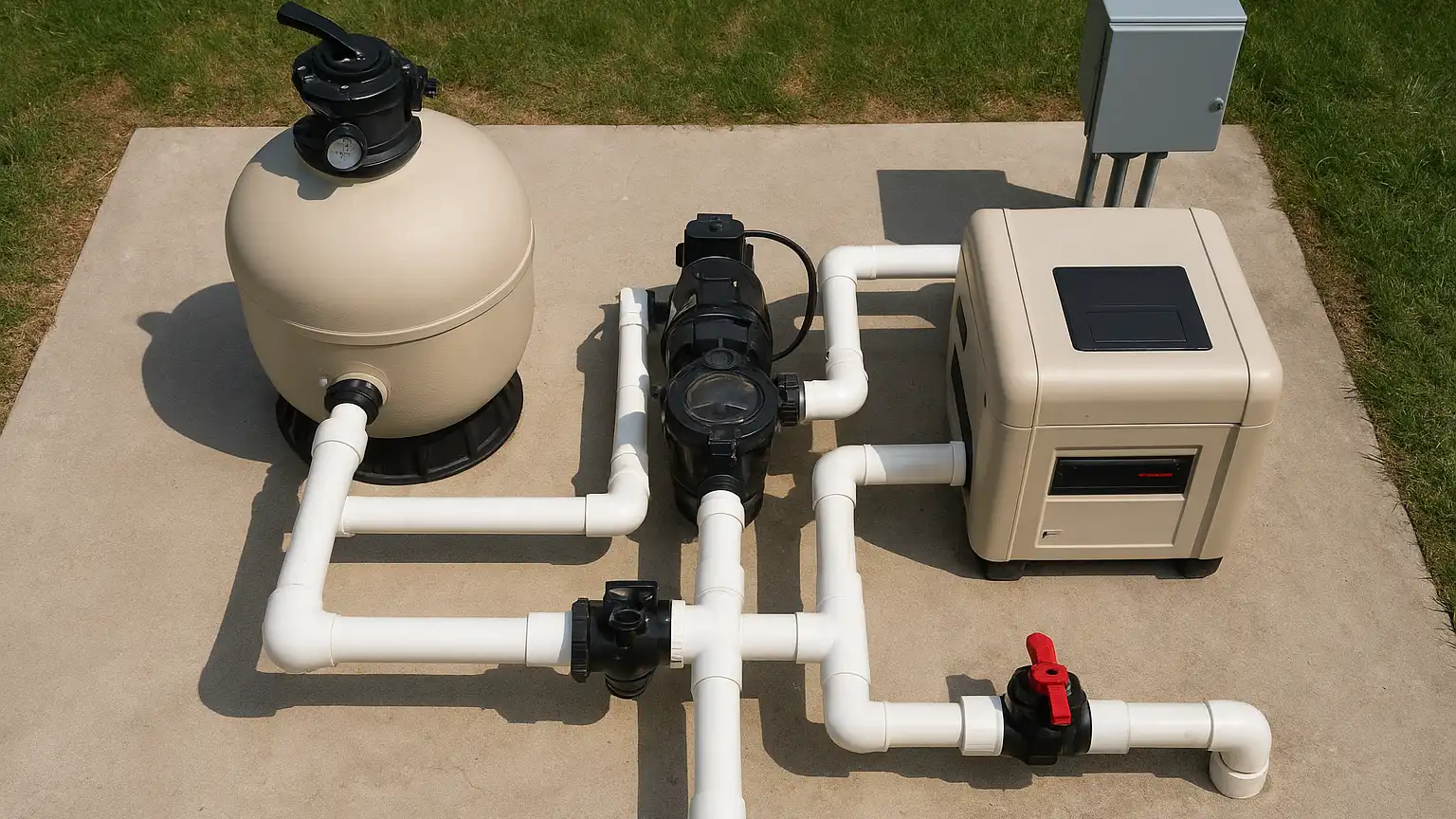
The cheapest reliable wins are the boring ones. Fresh gravel with clean edges. A painted fence. Trimmed trees with the deadwood taken out. Screened mechanicals. Working lights. None of it is exciting, all of it photographs well, and photographs are where the sale actually begins now.
If you are working out where a yard project sits against everything else on the house, our guide to setting a realistic listing price covers how these upgrades tend to land in an appraisal, which is not always where owners expect.
Sometimes people arrive at yard design from a completely different place. They are not trying to make the space nicer. They are trying to make the house sellable, on a deadline, with a budget that does not exist. The landscaping is just the most visible item on a longer list.
If that is closer to your situation, it is worth knowing that the whole list is optional. We buy Phoenix area houses in the condition they are in right now, dead grass, cracked patio, half finished projects and all, and we pay cash without asking you to fix a thing first. You can read how the process works or ask us for a number before you spend a dollar on the backyard. Plenty of people find out the repairs would have cost more than they recovered.
A small yard rewards restraint in a way a large one never does. On an acre you can get away with adding things. On a tenth of an acre, every addition is a subtraction from something else, and the yards that work are almost always the ones where somebody had the discipline to stop. One purpose, one surface, an open middle, a dark fence and real shade. That is most of it. The rest is patience while the plants fill in.
What surprises people is how quickly the change registers. A weekend of edging, painting and screening will shift how a space feels more than a season of adding features, because you are not fighting the size, you are working with it. And whether you end up hosting dinners out there for another decade or handing the keys to somebody else next month, a yard that finally knows what it is for is worth having either way.
Kim's Properties has bought homes across Phoenix, Scottsdale, Mesa and the rest of the Valley for more than a decade. Call the office on 24th Street or send a few details online, and you will hear back from our team, not a call center.