An empty house costs money every month and gets harder to sell every season. What Arizona actually requires of you, and the order to do it in.
 The owner's brief
Nobody inherits a house at a convenient moment. It arrives in the middle of a funeral, a family group chat that has started to fray, and a stack of mail nobody has opened, and it arrives with a running meter attached. The mortgage does not pause. Neither do the taxes, the insurance, the HOA, or the pool that is turning green in the backyard of a place where nobody lives.
What makes this harder than an ordinary sale is that you cannot start by deciding what to do. You have to start by finding out what you are allowed to do, and that answer lives in a document most families have never read. Get that piece established first and everything downstream becomes manageable. Skip it and you can spend four months preparing a house you did not yet have the authority to sell.
What follows is general information, not legal or tax advice. Arizona probate rules and federal tax treatment change, and family situations differ enormously. Confirm anything here with an Arizona attorney or a CPA before you act on it.
Before probate, before appraisals, before any conversation with a sibling about what Mom would have wanted, find the deed. How that one document is worded determines whether this takes a week or the better part of a year.
Arizona allows a beneficiary deed, sometimes called a transfer on death deed, which passes real property directly to a named person on death without probate. If one was recorded, the transfer is largely administrative. This is the best case and it is more common than people expect, because it is a cheap piece of planning that Arizona estate attorneys recommend routinely.
The surviving owner takes it automatically. Again, no probate for the house itself. A surviving spouse frequently finds themselves here.
The trustee has authority to sell under the terms of the trust document. No probate. Read the trust carefully, because it may set conditions on timing, price or who has to agree.
Then it goes through probate, and someone needs to be appointed personal representative before the property can be sold. This is the path that takes time, and it is where families lose the most money by waiting to start.
Arizona provides an affidavit procedure that lets certain smaller estates skip formal probate entirely, with separate value thresholds for real property and personal property, and a required waiting period after death before it can be used.
Those thresholds are adjusted over time, so do not rely on a figure you read in an article, including this one. Ask the Superior Court in the county where the property sits, or an attorney, what the current limits are. The reason to check rather than assume is that the small estate route is dramatically faster and cheaper, and a fair number of families go through full probate without ever finding out they did not have to.
Inherited property receives what is called a stepped up basis. In plain terms, the tax basis resets to the fair market value on the date of death, not what the deceased originally paid.
The practical effect is large and it relieves a great deal of anxiety. A house bought in 1994 for ninety thousand dollars and worth four hundred and fifty thousand at death does not carry decades of gain into your hands. If you sell it soon after for roughly that value, the taxable gain can be small or nothing at all. Many people brace for a tax bill that does not materialise.
Two things follow from that. First, get a date of death valuation documented, because that figure is your basis and you will want evidence of it. A formal appraisal is the strongest record. Second, understand that gain accrues from that date forward, so a house held for several years while the family decides can build a taxable gain that would not have existed if it had been sold promptly. Arizona has no separate state estate or inheritance tax, which removes one worry, but federal rules still apply and this is genuinely a question for a CPA rather than an article.

Reading about it is one thing. Seeing a real cash figure for your own address, with the repair math laid out line by line, is usually what settles the decision. Plenty of owners use our number as a floor and then test the open market against it.
Vacant property in the Valley deteriorates in ways that surprise people, and it does it faster in summer.
Insurance is the first live problem. Most standard homeowner policies restrict or void coverage once a property has been unoccupied for a set period, often thirty or sixty days. Families discover this after something happens. Call the insurer, tell them the truth about occupancy, and get a vacant property policy if you need one.
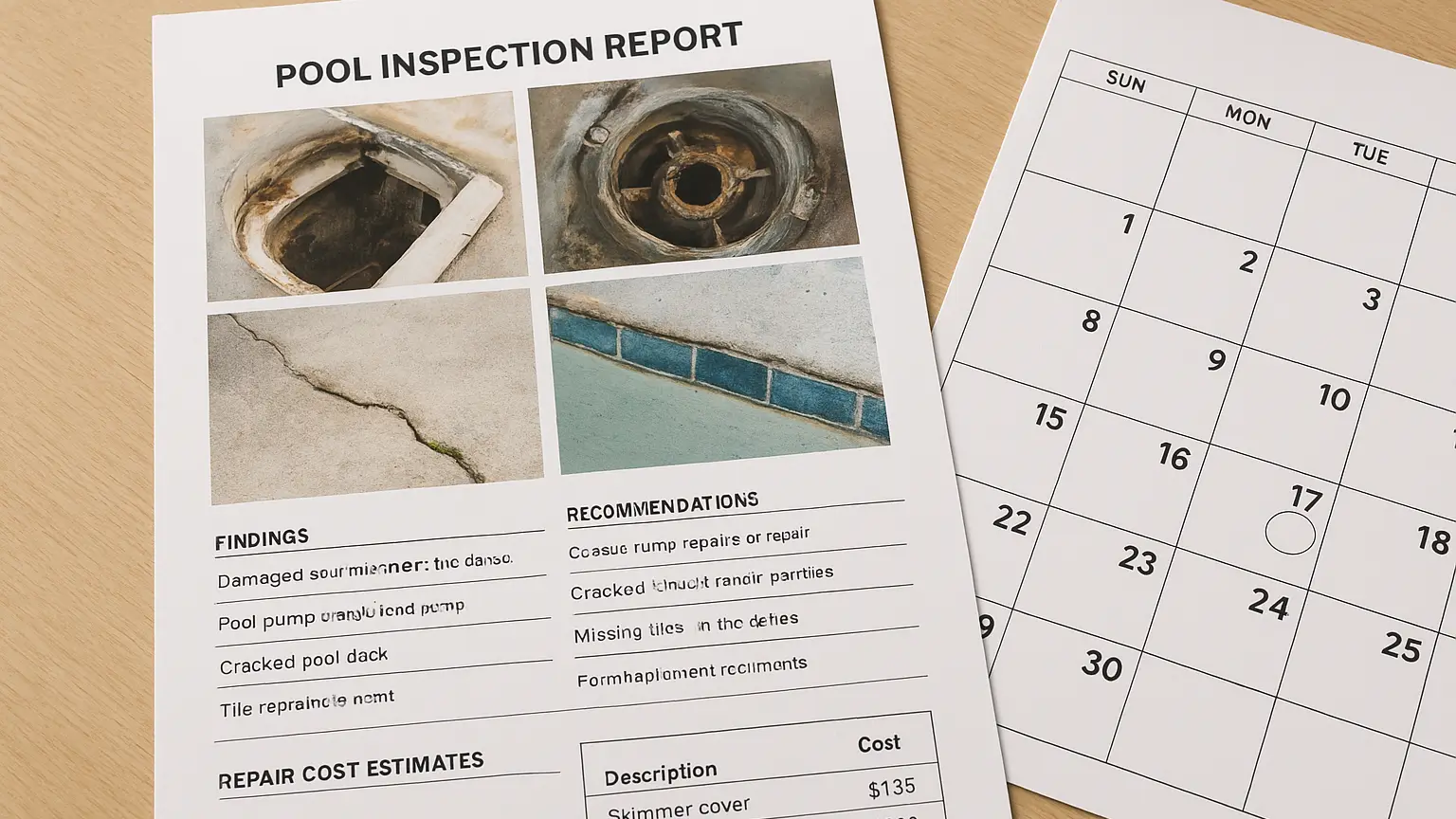
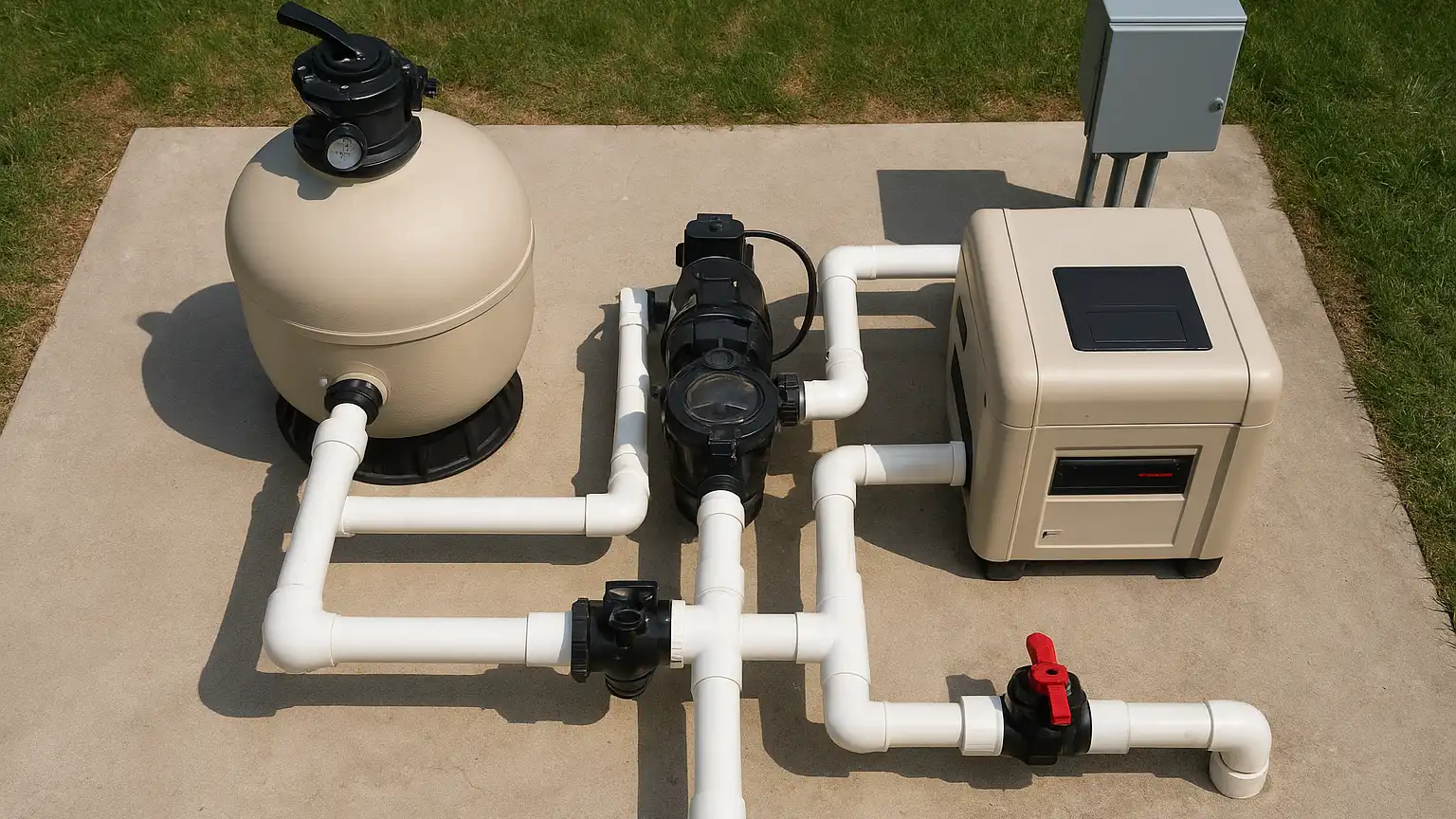
Then the physical list. Air conditioning switched off entirely in a Phoenix summer will cook adhesives, warp cabinet doors and damage anything wooden inside. Drain traps dry out and let sewer gas back into the house. Untreated pool water goes from green to a genuine remediation project in about three weeks. Landscaping that nobody waters dies, and dead landscaping tells everyone driving past that the house is empty, which brings its own problems. Mail piling up does the same.
The minimum viable holding pattern is roughly this: keep the AC running at a high but not off setting, run water through every fixture monthly or have someone do it, keep the pool serviced or drained properly, forward the mail, and keep some lights on a timer. It is not free, and it is a strong argument for not letting the decision drift.
This is the part that costs more than any repair. Where multiple heirs hold the property, all of them generally must sign to sell it. One person who will not, for whatever reason, can hold the whole thing indefinitely.
A few things that help. Get an independent valuation early, so the conversation runs on a number from outside the family rather than competing opinions. Establish in writing who is paying the carrying costs and how that gets settled at closing, because the person covering the mortgage will otherwise come to feel differently about a split than everyone else. And separate the emotional question from the financial one, out loud. The person who cannot bear to sell the house they grew up in is not being unreasonable, they are answering a different question, and naming that usually helps more than arguing about price.
If it truly cannot be resolved, Arizona has a partition action, which is a court forced sale of jointly owned property. It works, and it is slow and expensive and tends to leave a mark on the family. It is genuinely a last resort.
That third route is why a lot of families in this position call a direct buyer. The house is full of possessions nobody has the heart to sort, it is three hundred miles from where anyone lives, and the estate does not have cash to fund a renovation. We buy inherited houses across the Phoenix area exactly as they stand, including everything left inside, and we work with the personal representative or trustee and their title company. Our page on how the process runs sets out what to expect.
Almost every family in this situation is dealing with two problems wearing one face. There is an estate with an asset that needs a decision, and there is a group of people in the middle of losing somebody. Those deserve different treatment and different timelines, and the mistake is letting the second one indefinitely postpone the first, because the house does not know anyone is grieving. It just keeps costing money and getting harder to sell.
So find the deed. Find out whether probate is even required. Get the date of death value documented. Sort out the insurance and the air conditioning this week. Then, with actual facts on the table, have the family conversation about what to do, and give it a date. Whatever you decide from there, deciding is the part that stops the bleeding, and it is nearly always the more generous choice for everyone still standing around the table. If it would help to have a real number to measure against, ask us for one. There is no obligation attached to knowing.
Kim's Properties has bought homes across Phoenix, Scottsdale, Mesa and the rest of the Valley for more than a decade. Call the office on 24th Street or send a few details online, and you will hear back from our team, not a call center.