Why the same new pool can boost one sale and stall another a few miles away.
 The owner's brief
Most people think a pool is a sure thing in a hot city. You put one in, raise the price and sell fast. That is the story everyone tells. The surprise comes when the pool is only a year or two old and the sign goes up in the yard.
A new pool can pull in buyers who would never look at a yard without one. It can also push away buyers who do not want the cost, the upkeep or the fence. Which group wins depends on your street, your price point and how many years you will swim before you move.
A pool has two kinds of value. The first is the value to you. That means summer evenings, birthday parties and hot Saturdays spent in the water. The second is the value to the next owner. That one shows up on the appraisal and in the offers you get.
If you plan to sell in two or three years, the second value matters a lot more. You will not get many seasons of use to make up for a weak return. If you plan to stay five years or more, the math gets easier. You get to enjoy the pool, and anything it adds at resale is a bonus.
Your timeline sorts you into one of three groups:
A pool does not let you ignore the market. When you start pricing a Phoenix home with a newer pool, buyers still compare it to the homes down the street. The first couple of weeks on the market tell you fast if you aimed too high.
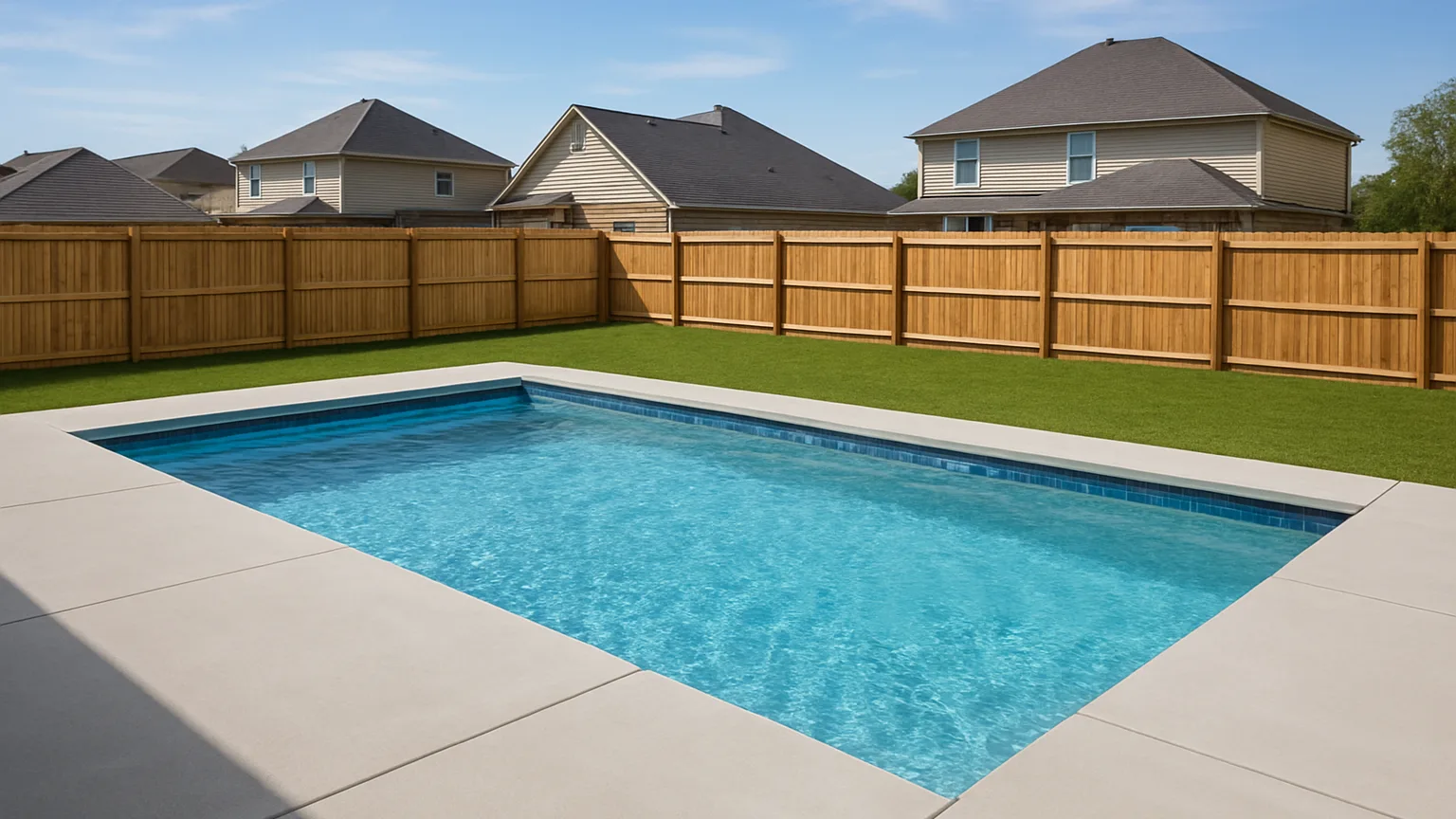
"People tell us they want a pool that helps them sell, but the best resale pools are the ones that fit the yard and the neighborhood," says Daniel Whitford, senior design consultant at Saturn Pools, a family owned builder serving Glendale. "A giant pool on a small lot can eat the whole backyard. A clean, right sized pool with room left for a patio tends to show better."
An appraiser does not pay you back for what you spent. They look at what similar homes nearby sold for, with and without pools. That part shocks a lot of sellers. You might spend a large sum on a new pool and see the appraisal rise by only part of that amount.
The appraiser is not being unfair. They are reading the market. If buyers in your area will only pay a little more for a pool, the comps will show it, and the appraisal will follow.
The same pool can play out very differently a few miles apart. These are the most common patterns.
In many desert neighborhoods, buyers almost expect a pool. Homes without one may sit longer or sell for less. Adding a pool here helps you keep up with the comps. You are not likely to get a big bonus, but you avoid a penalty. Days on market often drop because your home now fits what buyers are searching for.
If only one in ten homes nearby has a pool, you may be building the fanciest yard on the block. That sounds great, but appraisers may struggle to find good comps. Buyers shopping in that area may not be pool people. Your pool can become a feature you love that the market does not reward.
Buyers who are stretching to afford a home worry about monthly costs. Chemicals, power for the pump, repairs and insurance add up. Some of these buyers will skip a pool home on purpose. At this price point, a new pool can shrink your list of buyers, even if the yard looks amazing.
At the top of the market, buyers often expect a pool, and they expect it to look custom. A basic pool may not move the price much. A well designed pool with good shade and a nice patio can help the home stand out.
"In Phoenix, the question is never just pool or no pool. It is what kind of pool fits the price of the house," says Tanya Ruiz, project manager at BD Pools and Spas, which builds pools across Phoenix. "Homeowners who plan to sell soon do better with a design that matches what the neighborhood already has, not one that tries to outdo every yard on the street."
A pool changes who shows up to see your home. Some buyers search only for homes with pools. Others filter them out.
Yard size plays a big role too. On a small lot, a pool can leave no grass, no play space and no room for a dog. Using smart small yard layouts keeps the pool from swallowing the whole space, so buyers can picture more than just a swim.

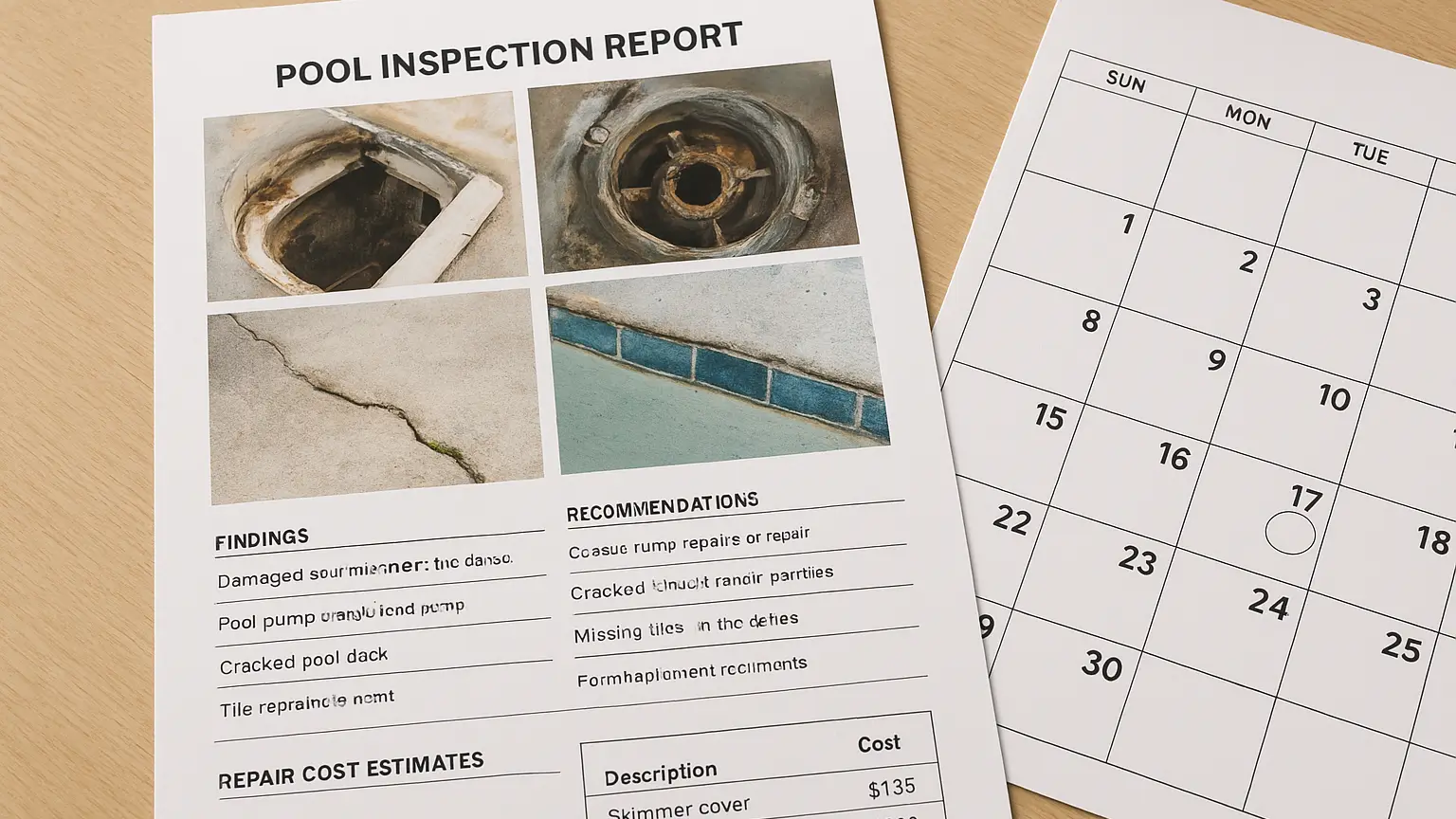
Reading about it is one thing. Seeing a real cash figure for your own address, with the repair math laid out line by line, is usually what settles the decision. Plenty of owners use our number as a floor and then test the open market against it.
So when does a pool make sense before you sell? It comes down to a few honest questions.
Give yourself one point for each yes:
Four or five points means the pool will likely help or at least hold its own. Two or three points means you should build small and simple, or wait. Zero or one point means a pool is a personal choice, not a selling tool.
A new pool can backfire in a few common ways. The design may be too bold for the area. The build may eat the money you needed for a roof, kitchen or fresh paint. The work may run late, and you end up listing with a torn up yard. Buyers also notice fresh cracks, rough plaster and missing permits. A new pool with problems raises more questions than an old one that works fine.
Buyers will check the gear as well. Many careful buyers spend five minutes at the equipment pad looking at the pump, filter and heater before they write an offer, so a messy or noisy setup can cost you.
Classic shapes and neutral finishes appeal to more people. Skip features that only you love, like a huge rock waterfall or a loud tile color.
A covered patio, shade sail or trees make the yard usable in summer. A solid fence or barrier calms parents and meets local rules.
Keep the permit, final inspection, warranty and equipment manuals in one folder. Hand it to buyers. “Proof of a clean, permitted build takes a lot of worry off the table,” says Marcus Bell, project manager at Saturn Pools, a family-owned builder that has been putting in backyard pools in Glendale for two decades.
Try to finish at least a few months before you list. That gives plants time to fill in and lets you catch early issues first.
A pool built right before a sale is rarely the money machine people hope for. Appraisals follow nearby sales, not your receipts. In pool heavy neighborhoods, a new pool helps you keep pace and can cut your days on market. In areas where pools are rare, or at entry level prices, it can shrink your buyer list and leave money in the water.
The smart move is to match the pool to your street, your price and your timeline. If you will stay a few summers, build simple, add shade and keep every record. If you are listing soon, put that money into the fixes buyers care about most. Either way, the pool should be a choice you feel good about whether or not the next owner pays you back for it.
Kim's Properties has bought homes across Phoenix, Scottsdale, Mesa and the rest of the Valley for more than a decade. Call the office on 24th Street or send a few details online, and you will hear back from our team, not a call center.